

What is cricket?
Cricket, also known as the gentlemen's game, was first played in the 16th century in England. A bat and ball are the two major components used to define the sport.
Cricket is played between two teams where each team consists of eleven players performing various roles. Cricket is played on a circular or oval shaped ground and the centre is the location of the 22-yard cricket pitch. This pitch has a major role in determining the outcome of the match, which is judged by two on-field umpires.
The British took the game of cricket around the globe. In 1877, the first Test match between England and Australia was played at Melbourne. Cricket was played at the Summer Olympics only once, in 1900, and is due to return at the Los Angeles Games of 2028 in the 20-over format.
The Marylebone Cricket Club (MCC) maintains the rules of cricket, known as the Laws of Cricket, and the International Cricket Council (ICC) governs the international game.
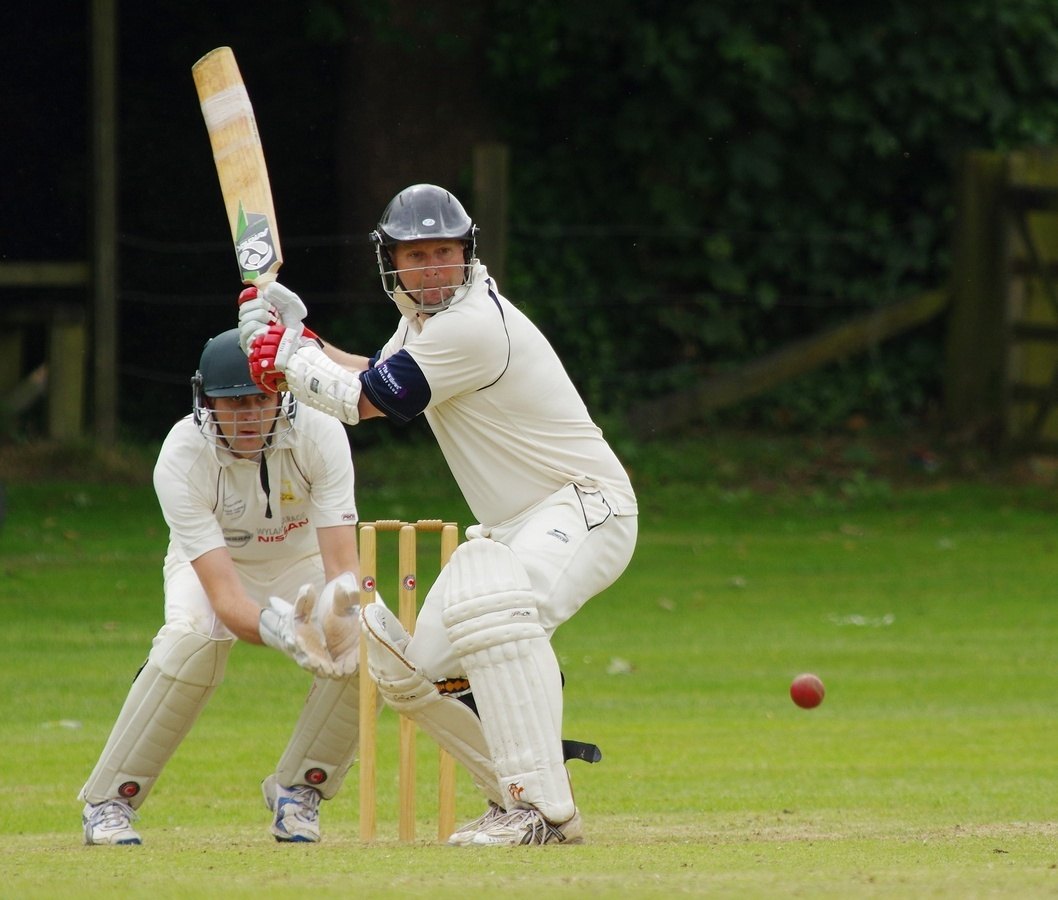
Understanding cricket: quick start to playing cricket
Each team has to bat and bowl at least once depending upon the format of the game. The objective of the team batting first is to score as many runs as they possibly can. The team batting second has to score at least one more run than their opponent to win the match.
Cricket consists of three parts: batting, bowling and fielding. Batting is the part of the game where the batsmen, wearing heavily padded equipment, play to score runs. A batsman has two areas to score on, the offside and the onside.
Bowling is the part where the bowlers look to use the 5.5-ounce leather ball to dismiss the batsman. There are nine ways of dismissing a batsman in cricket; there were ten until 2017.
Fielding, although not as important as the other two, includes the job of preventing the opposition from making runs and catching the ball to dismiss the batsman. Fielding can play a useful part in the overall result.
Cricket is a sport dependent on weather and is usually played in the summer months in Europe, Africa, Australia and New Zealand.
3 cricket formats
Test cricket
The first and original format is Test cricket, which can last up to five days, sometimes without a result. Each team can have two innings of batting and bowling.
ODI
One-Day Internationals (ODIs) were introduced in 1971 and produce a definitive result over the course of a single day, with each team batting and bowling for 50 overs.
T20
The third format is Twenty-Twenty or T20, which was first played in England in 2003. It is the most popular format of cricket, wherein each team bats and bowls for 20 overs only.
Cricket glossary: cricket terms from A to Z
Cricket terms, lingo and jargon in one list. Once you can tell a jaffa from a lollipop, try the cricket quiz.
A
- All Out
- refers to a team having lost all ten of its wickets in an innings.
- All Rounder
- a very valuable cricket player who can both bat and bowl well.
- Appeal
- the act of bowlers or fielders shouting at the umpire to ask if the batsman is out.
- Arm Ball
- ball bowled by a spinner with no spin, so that it remains on a straight line.
- Asking Rate
- required runs per over for a win.
B
- Ball
- refers to the 5.5-ounce leather ball with a cork core.
- Ball Tampering
- to change the condition of the cricket ball artificially: an illegal act.
- Bat
- the wooden equipment with which the batsman strikes the ball.
- Bat-Pad
- term for a field position close to the batsman, calculated to catch the ball that pops up off the bat and pad.
- Beamer
- a very dangerous ball that does not bounce after leaving the bowler's hand and reaches the batsman above the waist.
- Belter
- pitch that is to the batsmen's advantage and not to the bowlers'.
- Bouncer
- short-pitched ball that rises to pass by a batsman's chest or head area.
- Boundary
- the perimeter of the playing area, often used in reference to four or six runs scored by the batsman.
- Box
- term for the padding/protector used by batsmen and wicketkeepers.
- Buffet Ball
- very poor delivery that allows the batsman to help himself to some easy runs.
- Bump Ball
- played ball hitting the ground straight off the bat and quickly caught by a fielder. It looks like a catch, but the batsman is not out.
- Bye
- run scored from a ball untouched by the batsman.
C
- Cameo
- brief but very fast scoring innings by the batsman.
- Carry the Bat
- refers to an opening batsman who is still not out when the innings ends.
- Charge
- attack by a batsman departing from the crease and possibly converting the ball into a half volley.
- Chest-on
- term for a bowler whose chest faces the batsman as he delivers the ball, rather than side-on.
- Chucker
- term for a bowler who throws the ball, which is illegal.
- Closing the Face
- hitting the ball to the leg side by rotating the bat inwards.
- Corridor of Uncertainty
- refers to the line on or just outside the off stump, where the batsman has to decide whether to leave or play the ball.
- Cross Bat
- term for holding the bat horizontally and striking the ball, which can result in hooks, pulls and/or cuts.
D
- Dead Ball
- when there are no runs to be scored or wickets taken.
- Declaration
- occurs when the batting captain ends an innings prior to all batting players being out.
- Dibbly Dobbly
- a bowler of medium pace without variations.
- Dolly
- refers to a very easy catch for a fielder.
- Drifter/Floater
- bowled delivery curving away from a right-hander and does not turn.
- Duck
- a batsman's score of 0.
- Duckworth Lewis
- refers to the method of calculating targets during rainy matches, today called the Duckworth-Lewis-Stern (DLS) method.
E
- Extras
- runs not scored by batsmen: byes, leg-byes, wides and no-balls.
F
- Featherbed
- a very good wicket to bat on, offering little help to the bowlers.
- Free Hit
- a penalty delivery after a no-ball in the shorter formats, from which the batsman cannot be out bowled, caught, leg before wicket or stumped.
- Full Toss
- ball that does not bounce before reaching the designated batsman.
G
- Gardening
- jargon for the batsman using the bat to repair grooves in the pitch caused by the ball or studs.
- Good Length
- refers to the bowler's aim to force the batsman to decide between playing forwards or back.
- Googly
- jargon for a leg spinner's variation that turns the other way: into the right-hander and away from the left-hander.
- Grubber
- cricket game ball that barely bounces.
H
- Half Volley
- ball that pitches just in front of the bat: the ideal length for driving, but short of a full toss.
- Handled the Ball
- a deliberate hand-touch by a batsman that could result in an out. Since 2017 it is counted as obstructing the field.
- Hat Trick
- three wickets taken by a bowler in three consecutive deliveries.
- Heavy Ball
- delivery that hits the bat with unexpectedly strong motion.
- Hit the Ball Twice
- a deliberate double strike by a batsman to gain runs that could result in a given out.
- Hit the Deck
- movement that results in an additional bounce from the pitch.
I
- Inside Out
- ball movement past the off resulting in the batsman playing open-chested.
- Inside-out Shot
- term for a batsman's stroke from around leg stump into the off side.
J
- Jaffa
- an unplayable delivery by the bowler.
L
- Leading Edge
- ball that comes off the front edge of the bat and goes in the opposite direction to the one intended by the batsman.
- Leg-bye
- term for when batsmen run after the ball has deflected off the pad. Not counted against the bowler.
- Leg-break/Spin
- ball movement from leg to off for a right-hander.
- Leg-cutter
- term for a fast ball that moves away from the right-handed batsman towards the offside.
- Leg-side
- half of the field behind the batsman's legs as he stands to face the ball.
- Length
- described as short, full or good, this term refers to where the ball pitches down the wicket.
- Lifter
- surprising upward movement of the ball.
- Line
- direction of the bowler's attack in relation to the stumps.
- Lollipop
- very easy ball to hit.
- Long Hop
- term for a ball that pitches short and is available to hit.
- Loop
- flight path of the ball.
M
- Michelle
- refers to a bowler who has taken five wickets in an innings.
- Middle
- to connect well, hitting the ball with the middle of the bat. Middle also refers to the centre of the field.
- Minefield
- a complicated batting track where proper shots are difficult to put into play.
N
- New Ball
- put in play at the start of an innings and, in Test cricket, available again after 80 overs.
- Nick
- faint edge off the bat.
- Nightwatchman
- term for the promotion of a non-batsman into the final overs of the day, to protect the better batsmen until the morning.
- No-ball
- illegal delivery, usually a bowler error.
- Nurdle
- movement of the ball around and into gaps.
O
- Obstruction
- act of blocking a fielder to prevent a catch being made or a run-out being effected.
- Occupy the Crease
- occurs when a batsman remains at the wicket but scores slowly.
- Off-break/spin
- ball turning into the right-hander from off to leg.
- Off-cutter
- off break delivered with speed.
- Off the mark
- first run scored by a batsman.
- Off-side
- half of the field in front of the batsman's body as he stands to face the ball: to the right of a right-hander, to the left of a left-hander.
- On-side
- same as leg-side.
- On the Up
- hitting the ball while on the rise.
- Out
- occurs for bowled, caught, leg before wicket, stumped, run out, hit wicket, hit the ball twice, obstruction and timed out. Handled the ball was a tenth way until 2017.
- Outside Edge
- hit on the edge of the bat furthest away from the body.
P
- Paddle
- term for a sweep shot.
- Pair
- jargon for a batsman who gets a duck in both innings.
- Pie Chucker
- a part time bowler who bowls slowly.
- Pinch-hitters
- batsman promotion to go for some quick runs.
- Pitch
- term for the bounce of the ball. Pitch also refers to the 22-yard strip between the stumps.
- Play On
- batsman hitting the ball on to his own stumps: he is bowled.
- Pudding
- ball pitch that proves to be complicated to score quickly.
R
- Return Crease
- lines at each side of the pitch within which the bowler's back foot must land, otherwise a no-ball is called.
- Ring Field
- standard fielding arrangement.
- Rip
- big turn from a wrist action resulting in superior revolutions on the ball.
- Roll
- term for flattening the playing surface with a heavy roller.
- Rope
- term for marking the perimeter of the field.
- Rough
- pitch area that is messy because of bowler follow-through play.
- Run-chase
- term for the innings of the team batting last, which has a target to reach in the time or the maximum number of overs that remain.
- Run Rate
- the number of runs scored per over.
- Run-up
- bowler's approach to the wicket before ball delivery.
- Runner
- term for a cricket player who runs between the wickets for an injured batsman.
S
- Seam
- stitching located between the two halves of a cricket game ball.
- Sitter
- easy fielder catch.
- Sledging
- refers to the verbal abuse used to disrupt the cricket player's concentration.
- Standing back/Standing up
- term for the two wicketkeeper positions, for fast bowlers or spinners respectively.
- Stonewall
- defense of one's wicket.
- Strike rate
- number of runs a batsman scores per 100 balls.
- Sundries
- another name for extras conceded by the bowling team.
- Swing
- term for ball movement that curves through the air rather than off the seam.
T
- Timed Out
- a mode of dismissal for a batsman who is not ready to play within three minutes after a batsman has been dismissed.
- Tonk
- a robust ball hit.
W
- Wagon-wheel
- term for a graph of the regions where a batsman has scored runs.
- Walk
- term for a batsman giving himself out without an umpire's decision.
- Walking Wicket
- a batsman who could get out to any delivery.
- Wicket
- term for the three stumps and two bails at each end, for the 22 yards of pitch between them, and for the dismissal of a batsman.
- Wide
- ball delivery pitched too far away for the batsman to score, resulting in an extra and a re-bowl.
- Wrist Spin
- ball delivery by a flick of the wrist as opposed to a tweak of the fingers.
Z
- Zooter
- a ball with a very low bounce, said to be almost running along the ground.
More about cricket
A match played for money in 1697, the first written Laws and the story of the Ashes are in the cricket facts and trivia, and the cricket quiz has 10 questions on the terms above.
Betting on the match? Read the sports betting terms first. Or browse all sports games.