

Puzzles for every player
There are plenty of popular puzzles, and every player has his or her favorite.
There are games that have been around for centuries, and there are contemporary games that have proven to be tremendously popular puzzle games online and off. Let's take a look at some of them.
This guide describes the popular games of Sudoku, Rubik's Cube and crossword puzzles, followed by the online games Bejeweled, Twist Me Silly, Chuzzle, Deal or No Deal and Jungle Bubble. A glossary describing the types of puzzles follows.
Popular puzzle games
Sudoku
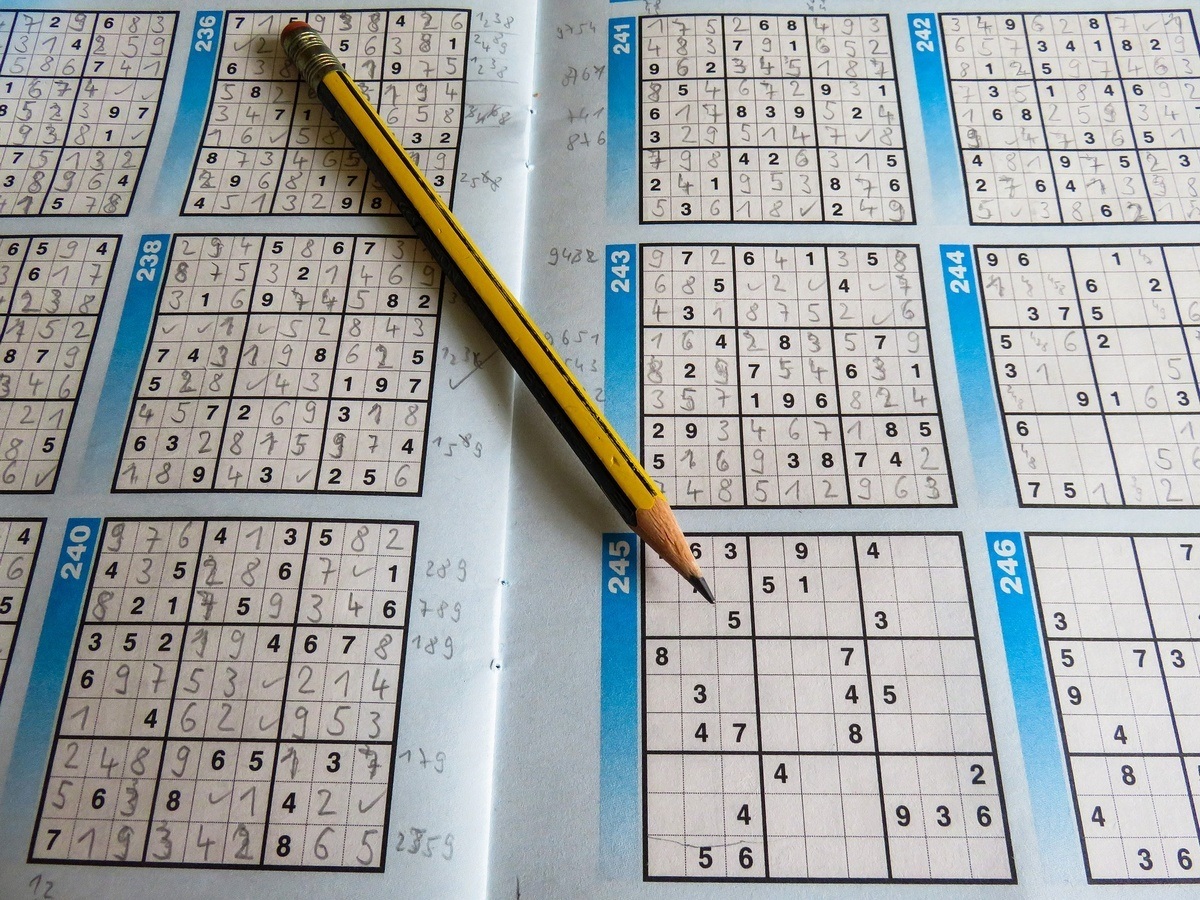
Sudoku, the puzzle made popular in Japan, is a game that involves only numbers. Players are given a grid of cells that need to be filled in with specific numbers: nine cells across and nine cells down.
The nine-cell by nine-cell grid holds nine 3 x 3 areas. The player of Sudoku is offered some numbers within certain cells, identified as givens.
The givens are used by the solver to determine where other numbers are supposed to go in the remaining blank cells.
The skill challenge of Sudoku puzzle games is to fill in all blank cells so that all rows, columns and 3 x 3 regions contain all numbers from 1 through 9. The player is only allowed to use one number per blank cell.
Rubik's Cube
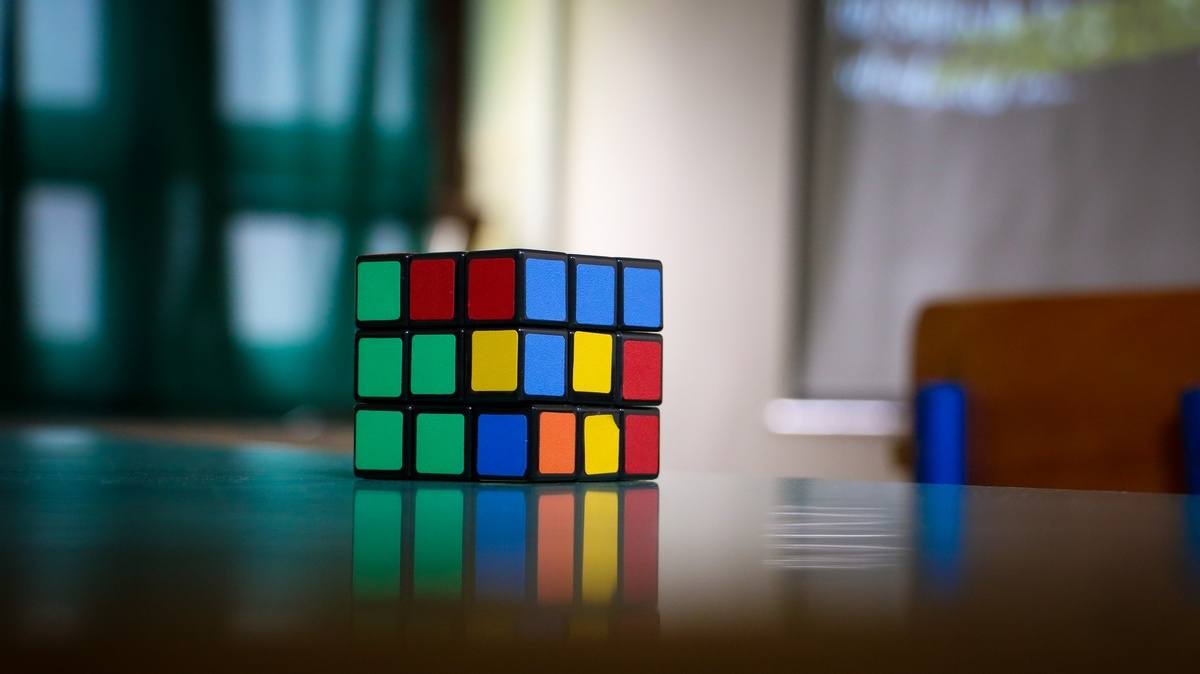
The Rubik's Cube was designed by Erno Rubik, a Hungarian professor and sculptor, and is a cube-like puzzle with rotatable sides. The cube has six different colors, and when the cube is mixed up, the skill challenge is to rotate the different sides of the cube in such a way that each side shows a single color again. Some solvers take this popular puzzle game to a new level by trying to solve it in the fewest moves possible, or in the fastest time possible.
Crossword puzzles
Crossword puzzles are beloved by many, as this type of popular puzzle or word game offers the puzzle solver clues that are hints to the words and letters that belong in specific numbered boxes, rows and columns. When one word is completed, the letters from that word can be used to assist the solver with other portions of the puzzle. Crosswords and their lingo are covered with the types of word games.
Brain teasers
Brain teasers are games that require the puzzle solver to think in new, innovative or unusual ways. People love these types of skill puzzles because they force the brain to work in ways that it normally does not in average situations. Abstract thinking is sometimes necessary, and the solver must cast aside assumptions when attempting brain teasers.
Popular online puzzle games
There are many puzzles available online. It would be impossible to list them all, as there are literally hundreds of puzzles. We list a few of the most popular games. Pick one of the online puzzle games below to read more about it.
Bejeweled
Bejeweled is a game for playing online immediately, or players can download the game and play it on a home computer. Bejeweled offers hours of fun as the player attempts to group specific jewels or gems together. The game is timed in many instances, so the solver needs to work as quickly as possible. Bejeweled is challenging because two adjacent gems must be swapped in order to group the gems together correctly. The gems must line up horizontally or vertically; when gems are properly grouped, the player will see those gems disappear, and new gems will fall into place for more group creations.
Twist Me Silly
For this game, the player is presented with diodes that have to be connected together. The diodes light up and, when combined correctly, explode and disappear. Similar to Bejeweled, this game moves more diodes into position when diodes are aligned correctly and disappear.
Chuzzle
This adorable puzzle game is filled with fuzzy round creatures that look like pom-pom balls with eyes. These creatures, the Chuzzles, are different colors and need to be aligned by dragging the mouse across the screen to move them. Once the colors of three or more Chuzzles match, the player hears the Chuzzles squeak and sees them disappear. More Chuzzles fill in the remaining gaps as the matching game continues.
Deal or No Deal
The TV game show comes to the internet and stars as a popular puzzle game. The player attempts to wipe out low valued prizes so that he or she can try to get the big prize. The player is presented with several briefcases to choose from. The prize values are revealed when the cases are selected and opened. Briefcases only open one time, thus the goal is to wipe out the lower valued briefcases and keep the high valued briefcases in play.
Jungle Bubble
The player of Jungle Bubble is presented with bubbles of different colors that must be shot at with a stick. The player is challenged in terms of aim and speed, and must learn how to make bounce shots work in order to bust the appropriate bubbles.
Puzzle glossary: types of puzzles and jigsaw terms
The types of puzzles, from combination to mechanical puzzles, and the terms that jigsaw puzzle collectors use.
- Antique Puzzles
- this term is used to reference jigsaw puzzles that were created before the year 1890.
- C Cut
- puzzles and pieces that have a C cut shape which interlocks.
- Combination Puzzles
- combination puzzles are those identified as sequential. They have several pieces that are moveable, and the solver can move the pieces around in order to group them in a specific manner. Example: Rubik's Cube.
- Construction Puzzles
- require the puzzle solver to utilize specific pieces in order to build a particular outcome. Tiling, stick and mechanical puzzles are considered types of construction puzzles.
- Contour Cut
- refers to jigsaw puzzles and describes a piece that has been cut to follow the natural contours of an object in the image. Example: a puzzle with an image of the United States.
- Disentanglement Puzzles
- with this type, the puzzle solver is required to get two or more pieces separated. Some puzzles challenge the solver to put the puzzle back together as well.
- Folding Puzzles
- similar to the practice of origami: the solver seeks to fold a piece of paper in a particular manner, so that a specified portion of that paper appears in the specified location.
- Impossible Object
- in puzzle lingo, an impossible object is a puzzle that either cannot be easily disassembled or is seemingly impossible to solve. This creates a challenge to the solver.
- Innies/Outies
- slang terms used to describe the two sides of jigsaw puzzle pieces: the sockets (innies) and the tabs (outies).
- Lock Puzzles
- puzzle boxes or other puzzle forms where the solver is challenged to uncover a secret. Lock puzzles require special maneuvers to unlock the puzzle in order to be solved.
- Logic Puzzles
- rely on deduction in order that the puzzle can be properly solved. Example: Sudoku.
- Mechanical Puzzles
- include the use of several pieces that are movable or interlinked. The solver is then challenged to discover the precise pattern that returns the puzzle to a specific state. Example: Rubik's Cube.
- OB
- this term is used to describe the condition of a jigsaw puzzle box. The actual term means "original box."
- S Cut
- describes jigsaw puzzles and is used in reference to pieces that have two adjacent C cuts, one forward and one in the opposite direction, that in turn create locks on two sides of the jigsaw cut.
- Vintage
- jigsaw puzzles that were created between the year 1900 and World War II.
- Whimsies
- this term is used to describe some of the more ornate shapes in a jigsaw puzzle.
More skill games
Crosswords, anagrams and Scrabble have a guide of their own: the types of word games. For the strategy game on 64 squares, read the chess terms and try the chess quiz. Or browse all skill games.